
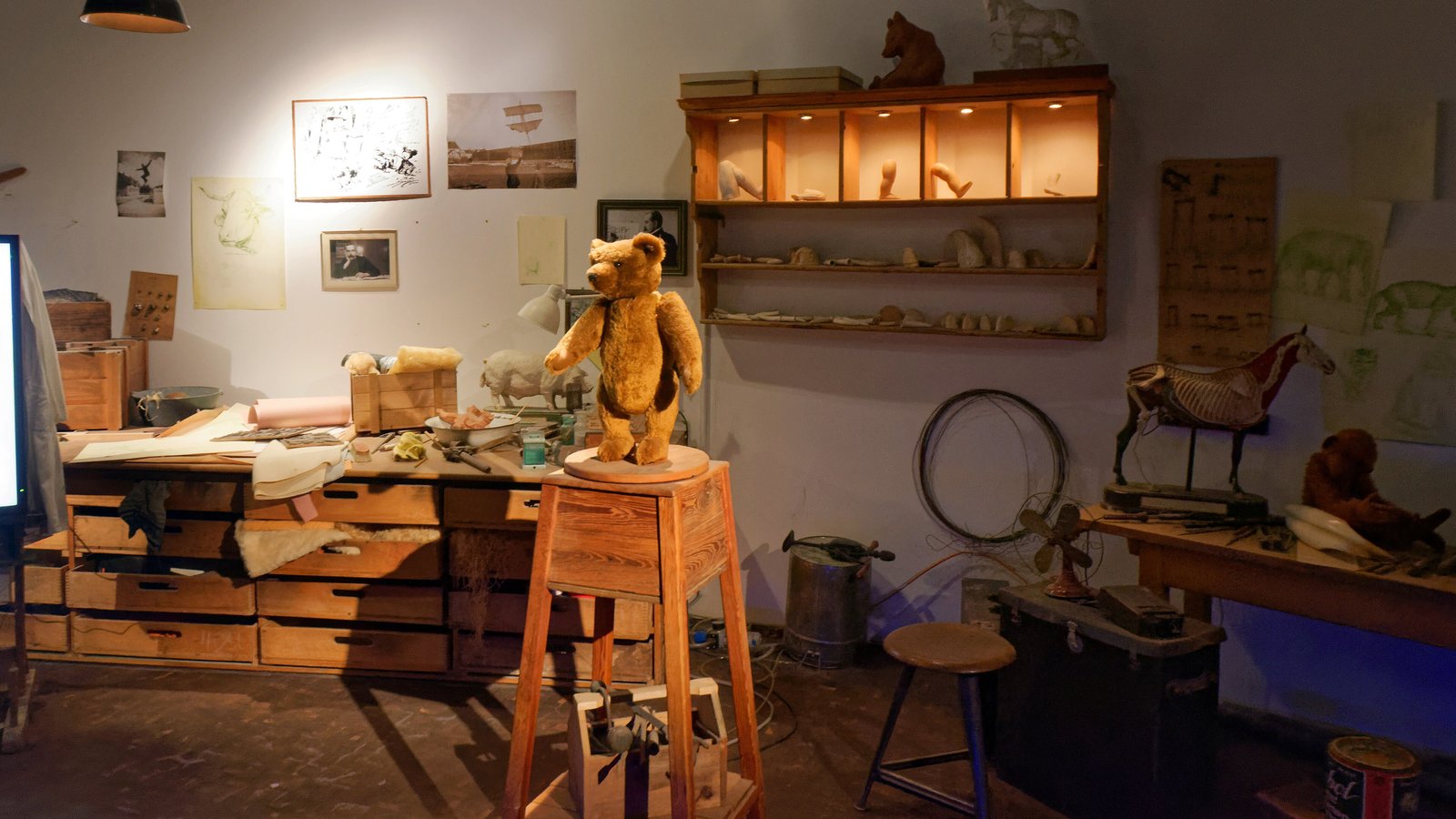
A teddy bear museum can be a factory showroom, a private collection, or a theme park with plush. The best ones hold bears you cannot see anywhere else, from a 1904 Steiff to the original Paddington from British television.
We checked each museum against its own website in October 2026. Two famous names on older travel lists have closed, and one could not be confirmed at all. We say so plainly rather than pass along stale listings.
Want the backstory first? Our teddy bear history covers the 1902 hunt and the first bears sewn in Brooklyn and Germany.
Open Teddy Bear Museums in Europe
Steiff Museum, Giengen an der Brenz, Germany
Steiff runs its museum in the town where Margarete Steiff sewed her first felt elephant. The company’s own timeline says a first Steiff Museum opened in Giengen in 1980, for the firm’s 100th anniversary. The current building followed in 2005, for the 125th, with 2,400 square meters of exhibition space.
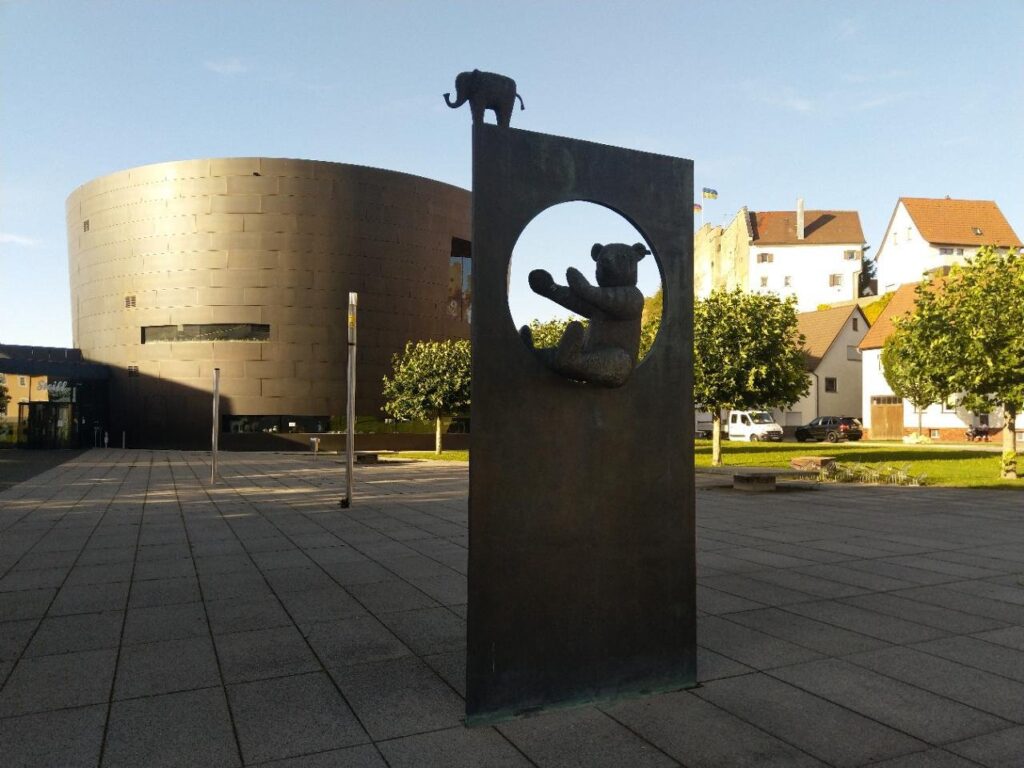
The museum frames a visit as a search for 3,000 teddy bears through animated rooms. Collectors usually head for the historical area, which Steiff says holds rare exhibits from more than 140 years of production. A live demonstration shows a bear being sewn by hand.
Plan around one gap. Steiff’s museum page lists a renovation closure from January 11 to January 22, 2027. The museum shop stays open during that window.
Dorset Teddy Bear Museum, Dorchester, England
The Dorchester teddy bear museum sits at Eastgate, on the corner of High East Street and Salisbury Street. Its official site describes “over 100 years of teddy bears,” from early antique bears to modern favorites.
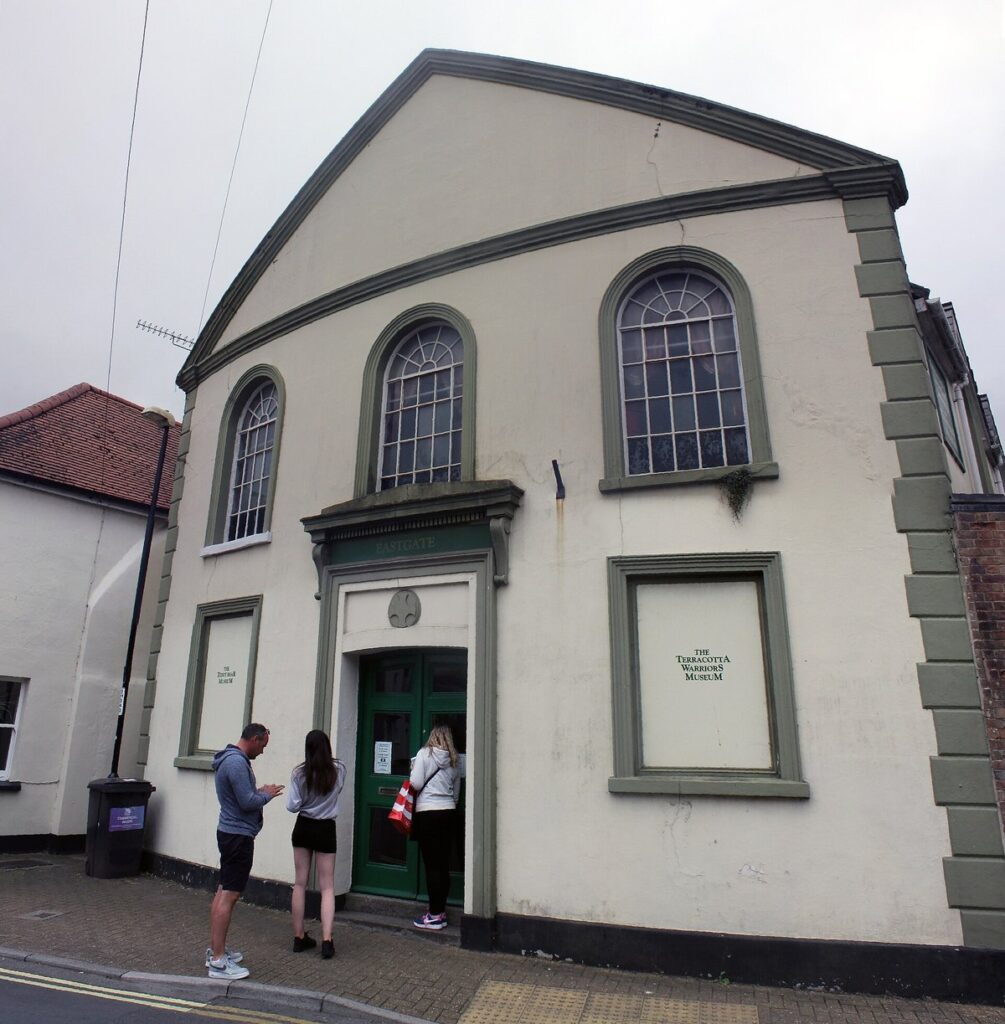
The set piece is Edward Bear and his family of people-sized bears, as the museum describes them. Collectors will get more from the cases of early antique bears, so give yourself time there.
The Bear House at Newby Hall, North Yorkshire
Gyles Brandreth and his wife Michele Brown built one of Britain’s best-known collections of famous bears. It once filled the Teddy Bear Museum in Stratford-on-Avon. In March 2016, the Yorkshire Post reported its move to a purpose-built Bear House at Newby Hall, near Ripon.
The paper listed the original Paddington from the 1970s television series, Harry Corbett’s Sooty, and a Fozzie Bear given by Jim Henson. Newby Hall’s site says the bears are on permanent show and entry comes with a gardens ticket.
Check the season before you travel. As of October 2026, Newby Hall’s homepage says it has closed for the 2026 season and expects to reopen in March 2027.
Teddy Bear Museums in Asia
Izu Teddy Bear Museum, Ito, Japan
Izu holds the bear with the best paper trail in this guide. Teddy Girl is a cinnamon Steiff bear made in 1904, one of the few survivors from Steiff’s earliest years. Our search for the oldest plush in the world shows how few bears that early carry firm dates.
The museum bought her at Christie’s in London in December 1994. It says the price was the highest yet paid for a teddy bear.
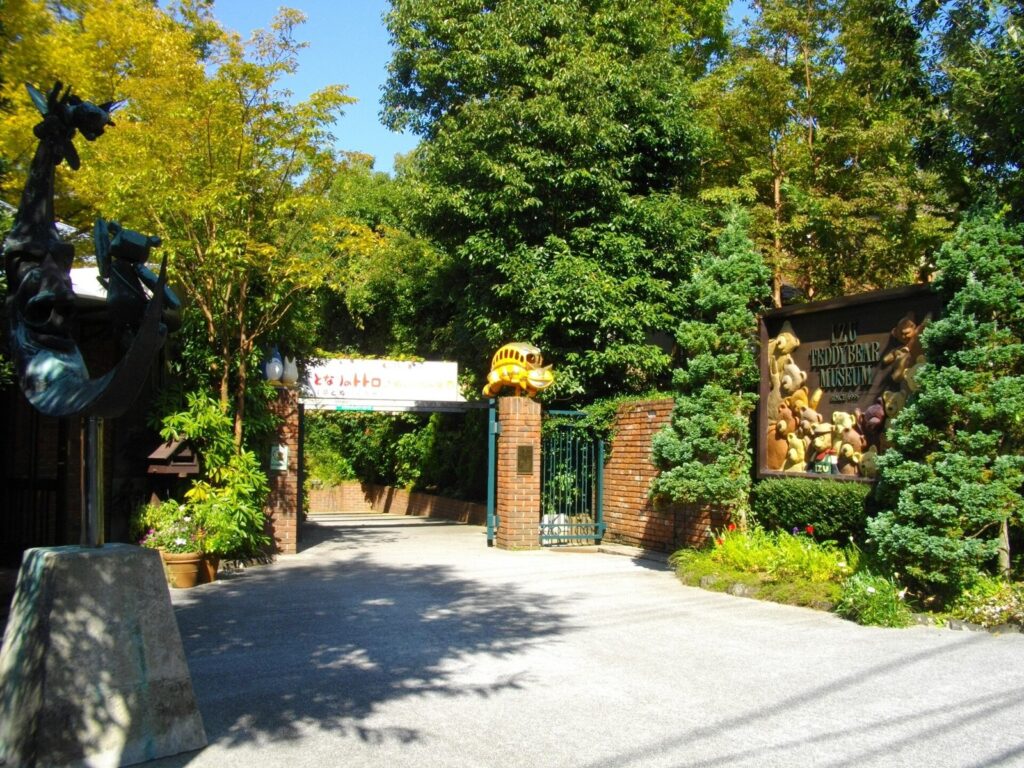
Her provenance is the draw. Teddy Girl belonged to Colonel Bob Henderson of the British Army, who, according to the museum, carried her through the Normandy landings. Henderson later founded the British branch of Good Bears of the World and pushed for Good Bear Day on October 27.
Teddy Bear Museum, Jeju, South Korea
The Jeju museum stands in the Jungmun resort area of Seogwipo. Its operator says it opened in 2001 as Korea’s first teddy bear museum and calls it the largest in the world. That superlative is the company’s own claim, and we found no independent count to test it.
The museum says it displays more than 1,000 antique bears alongside work by bear artists. Its headline object is a Louis Vuitton teddy bear. The museum describes it as Guinness-listed as the world’s most expensive.
Teddy Bear Museum Pattaya, Thailand
Searches for a bear museum in Pattaya lead to Teddy Island, on Beach Road in North Pattaya. The Bangkok Post reported in 2014 that a Korean company opened it in October 2013. It sits inside a 40-meter building shaped like a dragon boat.
The paper counted 12 themed zones and more than 1,000 stuffed animals, kept outside glass cases so visitors can hold them. This is a photo attraction, so expect fewer antique bears.
We could not confirm Pattaya’s current status. The museum’s own website did not load during our check in October 2026, so ticket-seller pages are the only recent listings. Contact the museum directly before you plan a trip around it.
Which Museum Owns the Most Expensive Teddy Bear?
Two museums make the claim, and their records point to different sales. Izu says Teddy Girl set the record for a teddy bear at auction in 1994. Jeju says its Louis Vuitton bear is the Guinness-listed most expensive.
Steiff’s corporate timeline adds a third data point. In October 2000, a Korean collector paid €213,720 for a specially designed Steiff bear. The sale took place at a charity auction in Monaco.
Collector histories often tie that sale to the Jeju bear. Steiff’s page, however, names neither the design nor the buyer’s museum, so that link stays unconfirmed here.
The fair reading is that both claims can be true at different dates. Teddy Girl’s record dates from 1994, and a charity sale six years later may have topped it. Treat any museum’s “most expensive” label as a claim about a specific sale, and ask which one.
Teddy Bear Museum Status Check and Closures
Old guides keep sending visitors to addresses that no longer hold any bears. Our editorial guidelines require a status check against primary sources, and this table records what we found.
| Museum | Location | Status, October 2026 | Source |
|---|---|---|---|
| Steiff Museum | Giengen, Germany | Open; closed Jan 11–22, 2027 for renovation | Steiff |
| Dorset Teddy Bear Museum | Dorchester, England | Open | Museum website |
| The Bear House, Newby Hall | Ripon, England | Closed for the season until March 2027 | Newby Hall |
| Izu Teddy Bear Museum | Ito, Japan | Open | Museum website |
| Teddy Bear Museum Jeju | Seogwipo, South Korea | Listed as operating by its operator | Museum website |
| Teddy Bear Museum Pattaya | Pattaya, Thailand | Unconfirmed | Bangkok Post, 2014 |
| Teddy Bear Museum of Naples | Naples, Florida, USA | Closed in 2005; building demolished | Naples Daily News |
| Teddy Bear Museum, Stratford-on-Avon | England | Closed; collection now at Newby Hall | Yorkshire Post |
The Teddy Bear Museum of Naples, Florida
The Naples museum is the one most often listed as if it were still open. The Naples Daily News reported in 2015 that the private museum closed in 2005 after 15 years on Pine Ridge Road.
The YMCA bought the property for $2.25 million in July 2007 and ran a child development center there from January 2009. The 8,000-square-foot building was later razed for a pharmacy, so nothing of the museum survives on the site.
Stratford-on-Avon’s Teddy Bear Museum
The Stratford museum’s best-known bears belonged to the Brandreth collection. They went north to Newby Hall in 2016, so an older itinerary to Stratford should point to North Yorkshire instead.
A museum visit pays off most when you know what to look for in the cases. Steiff’s button in the ear, for example, helps date an early bear. Our account of how the teddy bear began explains when that button first appeared.
Doll collections raise the same questions of dating and attribution. Our history of dolls follows them from Greek clay figures to the 1959 Barbie.
Sources
- Margarete Steiff GmbH, “From the past to the present,”, corporate.steiff.com.
- Margarete Steiff GmbH, “Welcome to the Steiff Museum,”, corporate.steiff.com.
- Dorset Teddy Bear Museum, official website, teddybearmuseum.co.uk.
- Newby Hall, “The Bear House,”, newbyhall.com.
- The Yorkshire Post, “Gyles Brandreth gives his teddy bear collection to Newby Hall,” March 25, 2016, yorkshirepost.co.uk.
- Izu Teddy Bear Museum, “Collection,”, teddynet.co.jp.
- Teddy Bear Museum (Jeju), “TBM Story,”, teddybearmuseum.kr.
- Bangkok Post, “A beary big adventure,” August 21, 2014, bangkokpost.com.
- Naples Daily News, “New Walgreens coming, another closing soon in North Naples,” May 25, 2015, archive.naplesnews.com.
2 thoughts on “Teddy Bear Museums Worth the Trip, and the Ones That Closed”