Teddy Bear Museums Worth the Trip, and the Ones That Closed
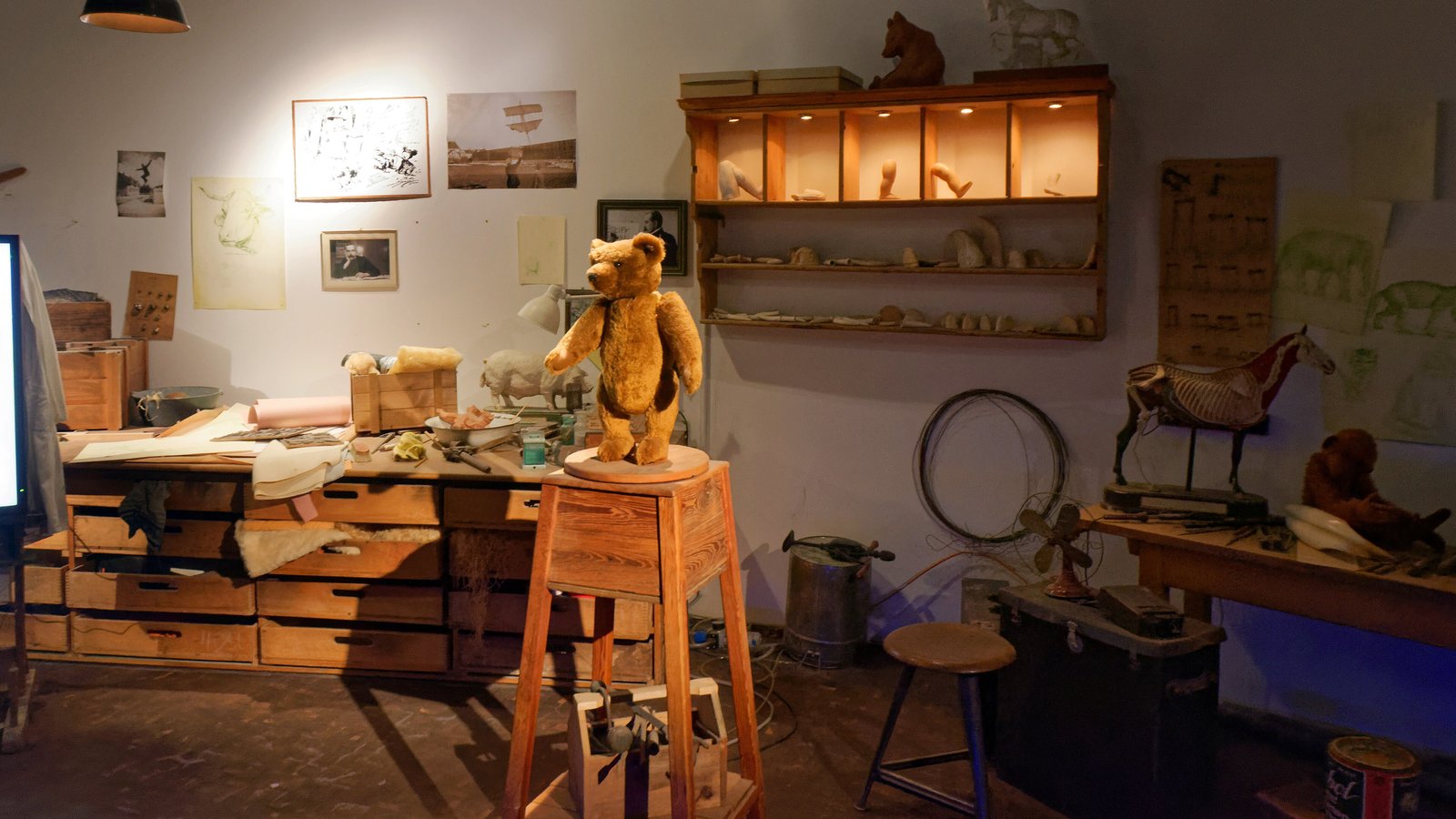
Teddy bear museums checked against official sources in October 2026, from Steiff in Giengen to Izu’s 1904 Teddy Girl, plus the Naples and Stratford museums that closed.

Teddy bear museums checked against official sources in October 2026, from Steiff in Giengen to Izu’s 1904 Teddy Girl, plus the Naples and Stratford museums that closed.
Steiff, two Hermann firms, Merrythought, Gund, Ty, and Jellycat: where each plush maker started and which button, tag, or label to check before you buy.
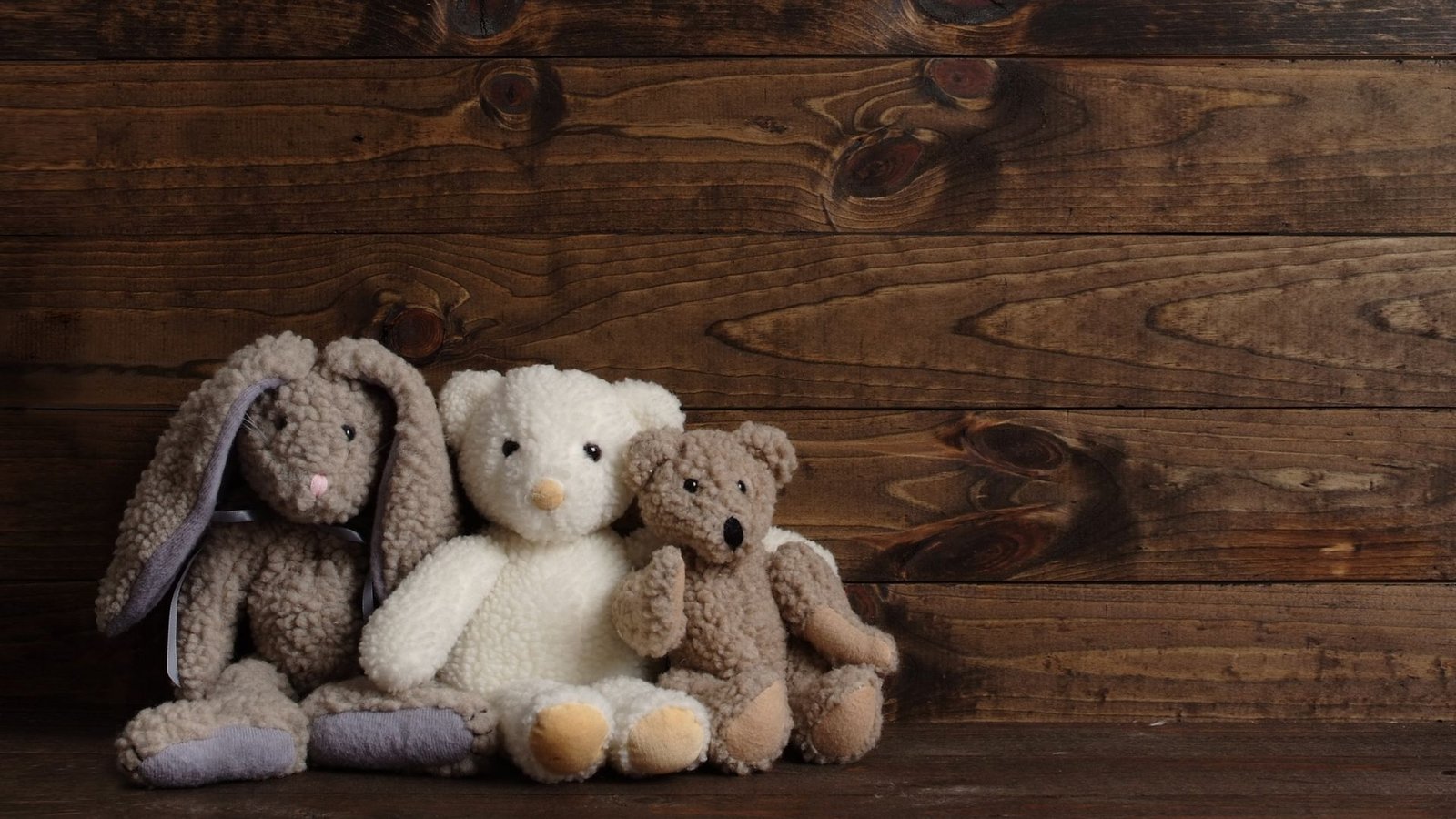
The first soft toy depends on what you count: papyrus-stuffed dolls from Roman Egypt, Steiff’s 1880 felt elephant, or the 1902 plush bear. Here is the record.
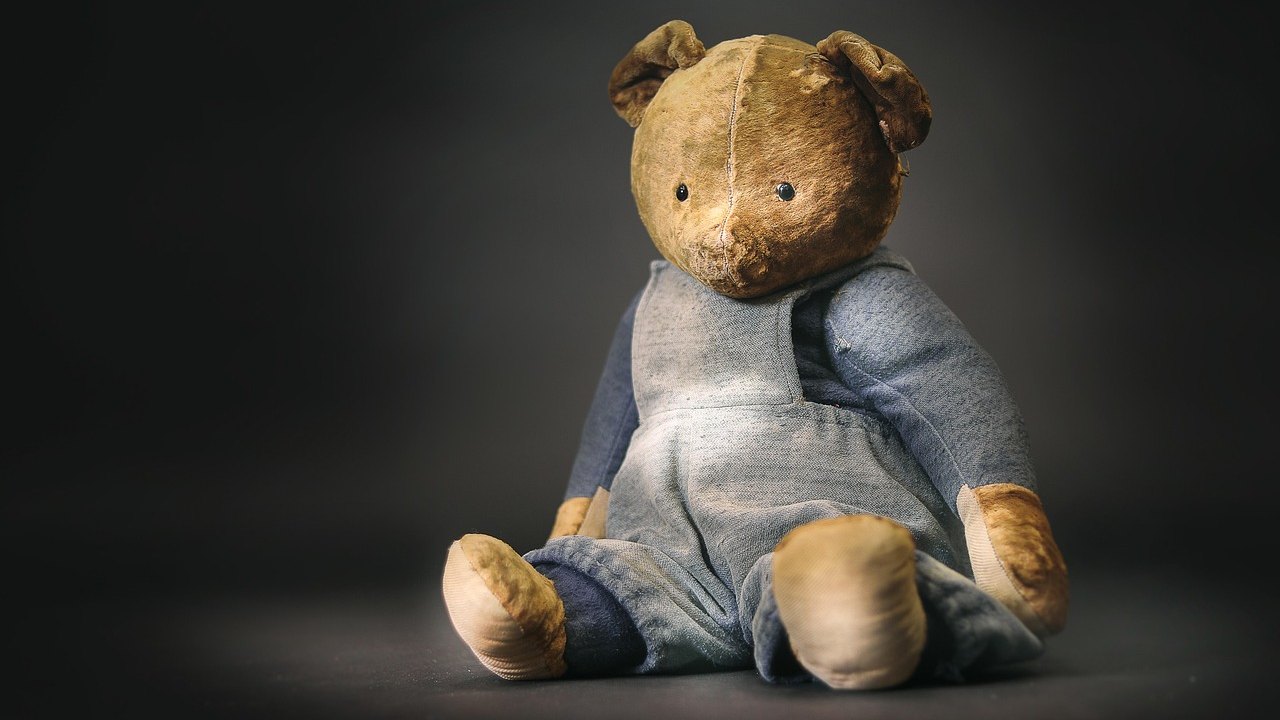
The oldest stuffed animals in museum catalogs date to 1892, and the oldest firmly dated plush is a 1904–1905 Steiff bear. Here are the objects, their records, and the gaps.
Margarete Steiff sewed the first commercial stuffed animal, a felt elephant, in 1880. Here is how her claim compares with the 1892 Tabby Cat patents and the 1903 Peter Rabbit doll.
A campaign symbol, a Sunday serial, Broadway, an Edison film, and a two-step tune: how the teddy bear became a craze between 1904 and 1910, and why it stayed.
A dated record of the teddy bear’s first years, from the November 1902 hunt to 1909: the Leipzig order of 1903, the 3,000 missing Steiff bears, and the first production figures.
Ten documented teddy bear facts, from Pooh’s Harrods receipt to a desert cactus, each tied to a museum record, auction catalog, or Guinness certificate.
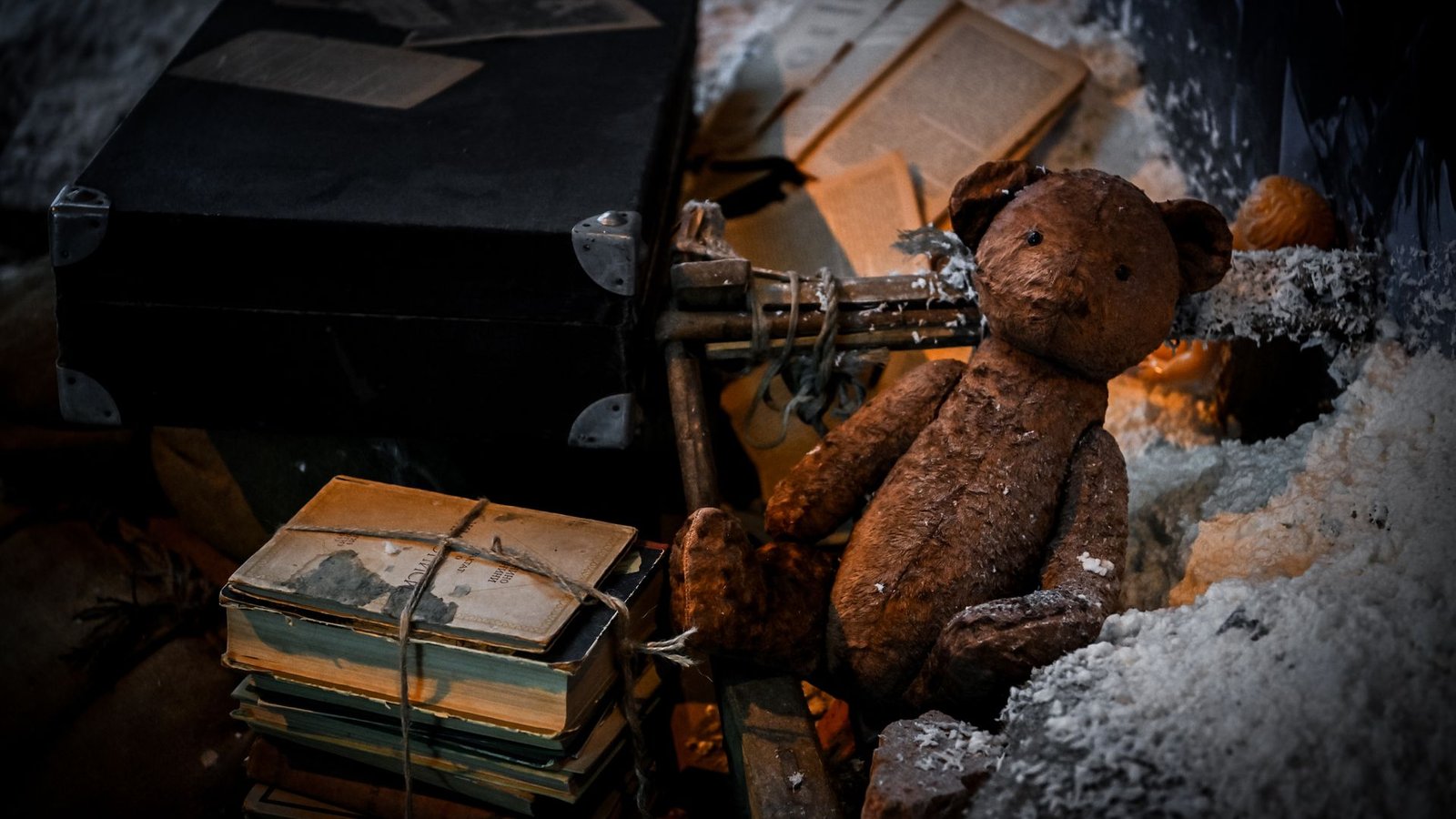
Rose and Morris Michtom in Brooklyn and Richard Steiff in Germany both have a claim to the first teddy bear. We weigh what each side’s evidence proves and give a verdict.
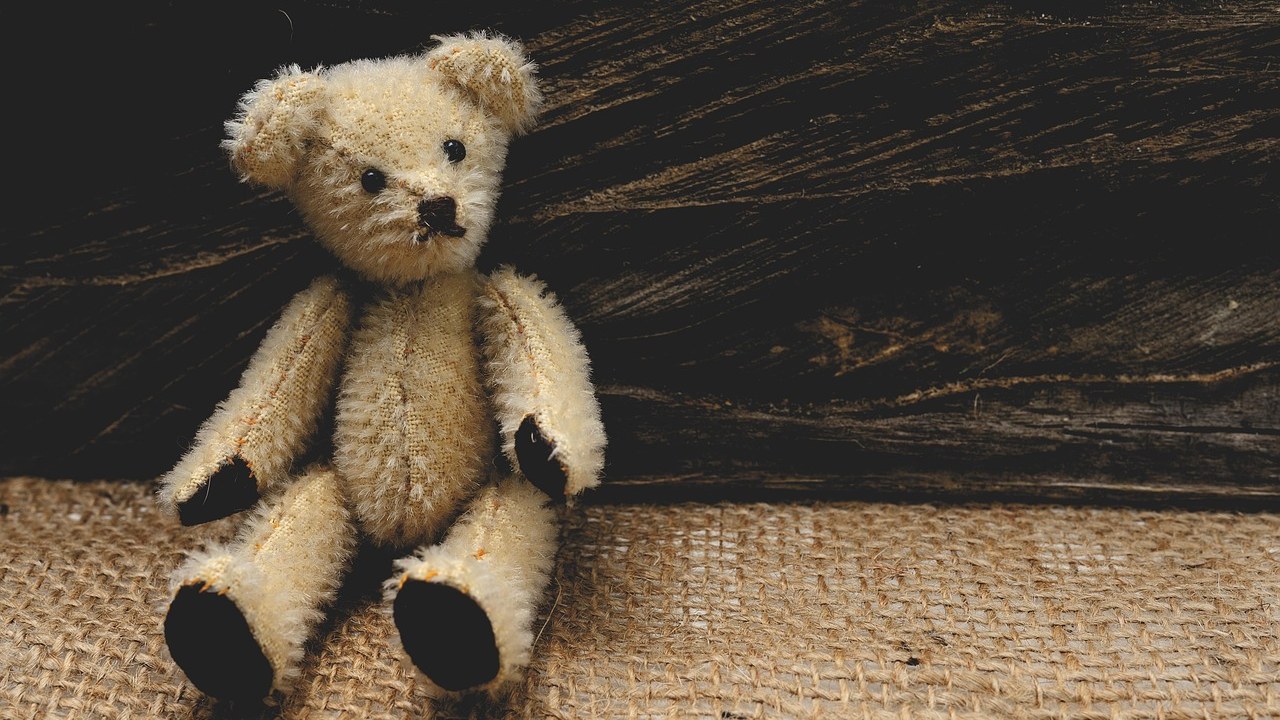
A refused shot on a 1902 Mississippi bear hunt set off a toy craze on two continents. Here is the documented record, including the dates historians still dispute.