
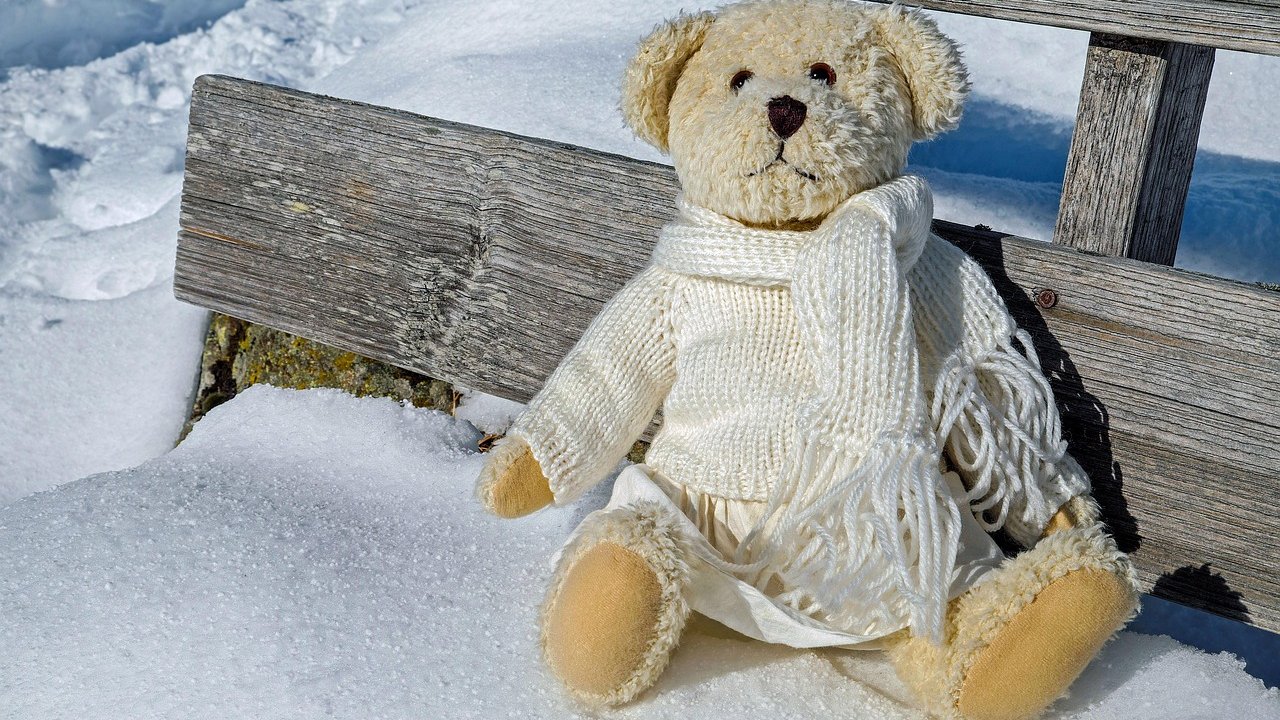
Cherished Teddies winter pieces are figurines, not stuffed toys. Enesco sold them as bear figurines designed by artist Priscilla Hillman, and its own press material described the line as cold-cast resin.
A collector hunting for a snowy stuffed animal or a soft winter teddy bear will not find one in this range. Every piece is hard, painted, and breakable. The line borrows its look from the plush bears that started the teddy craze, with stitched patches and worn paws painted on.
This guide covers identification, release years, and condition for the winter and Christmas pieces. It relies on archived Enesco product pages, Enesco’s own history notes, and a Canadian government conservation guide.
What Are Cherished Teddies, Exactly?
Cherished Teddies are small bear figurines made for Enesco from designs by Priscilla Hillman. Enesco introduced the collection in 1992 with 16 figurines, and by 2007 it counted more than 600 figurines and accessories. Each bear carries a name and a short sentiment, and each came with a Certificate of Adoption.
The material is where sources part ways. Enesco’s 2007 anniversary release called the line “cold-cast resin,” and its online shop listed winter pieces as “Stone Resin.” A 2021 antiques column in the Lancashire Evening Post describes resin hand-painted with matte oil-based lacquer, while many resale listings simply say porcelain.
Whichever label you see, the practical point holds. These are rigid painted figures, so the care rules for plush do not apply to them.
Where the bears came from
Enesco’s company timeline tells the origin story in a single entry. It is short enough to quote whole:
“Artist Priscilla Hillman began drawing a series of winsome bears in commemoration of her youth. The bears wore patches to depict well worn friends and were given names and titles, enabling them to be ‘adopted’ by their new owners.”
Enesco, “Cherished Teddies Is Created,” company timeline
Enesco UK adds a detail the American story often skips. Its 2024 blog says the bears were distributed by Border Fine Arts before they became part of the Enesco family in 1992. The patched, well-worn look borrows from real plush bears, and our fun facts about teddy bears collects more of that history.
Cherished Teddies Winter Pieces in Enesco’s Catalog
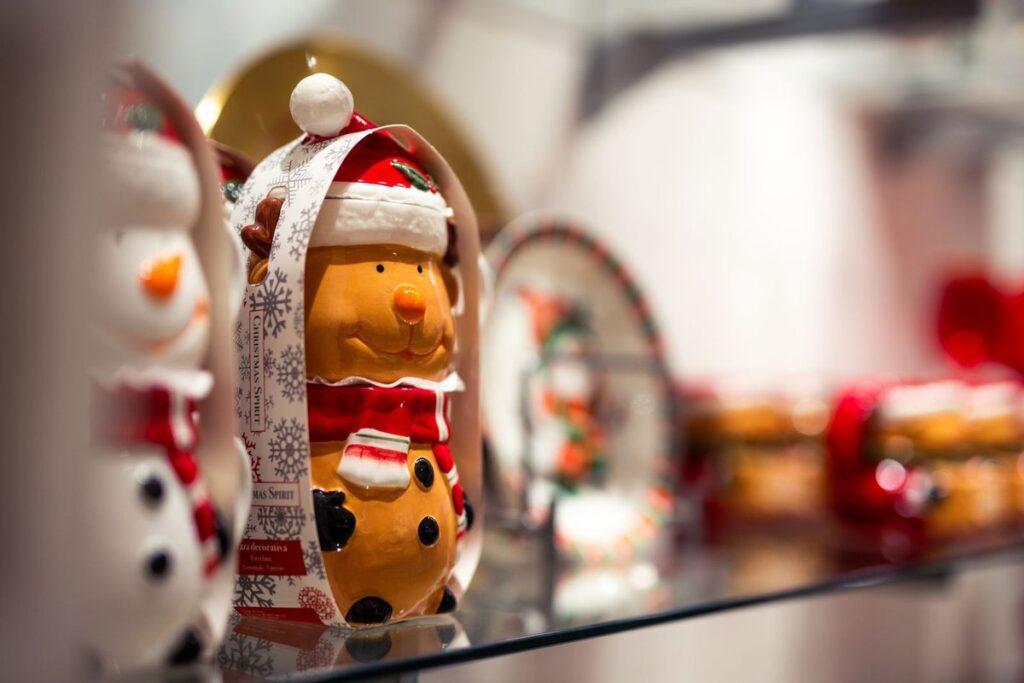
Enesco’s own web shop, archived in 2007 and 2008, filed Cherished Teddies under occasion headings that included Winter and Christmas. The product pages list an item number, year introduced, height, material, and list price for each piece.
| Piece | Character | Item no. | Introduced | Height | List price |
|---|---|---|---|---|---|
| Santa in chimney | Kris | 272140 | 1997 | Not listed | $22.50 |
| Snowman with banner | Hayward and Effie | 4002841 | 2005 | 3.75 in | $30.00 |
| Bear ice skating | Adrian | 4005478 | 2006 | 4.5 in | $17.50 |
| 2007 dated figurine | RosaLee | 4008149 | 2007 | 4.75 in | $17.50 |
| 2007 dated bell ornament | Not named | 4008151 | 2007 | 3.875 in | $14.00 |
| Santa with globe and list | Stanley | 4008152 | 2007 | 5.5 in | $40.00 |
| Girl with holly, dated bell ornament | Not named | 4010089 | 2008 | 3.25 in | $14.00 |
Two patterns stand out. Kris, introduced in 1997, was still on sale a decade later, so a long-running winter piece may exist in many production years. The dated figurine and dated bell carry their year in the design, which makes them the easiest winter pieces to place.
Adrian, Alice, and the skating bears
Skaters are a recurring winter theme. Enesco’s page for Adrian, introduced in 2006, describes her as “rushing to send her letter to the North Pole.”
A 2021 Lancashire Evening Post column lists early versions of Alice among the most sought-after bears. It describes her as “a lovely Christmas skating figurine with red coat, trimmed bonnet, and flying scarf.” The same column puts a certified early Daisy at up to £200.
Check the name before you pay a premium. Skating bears can look alike in a small photo, and the name on the base or certificate settles which one you hold.
How to Identify and Date a Winter Figurine
Turn the figurine over first. The base carries most of the evidence, though not all of it means what it seems to.
- Copyright date: The year stamped on the base is a copyright date, according to the Lancashire Evening Post column, and the piece may have been made years later.
- Registration number: The same column advises looking for the number separated by a slash, which helps with dating and valuing.
- Item number: In the archived Enesco listings, the 1997 Kris carries a six-digit number, while the 2005 to 2008 pieces use seven digits beginning with 400.
- Character name and sentiment: Match these against the certificate and box, since look-alike poses exist within the winter theme.
- Certificate of Adoption and box: Enesco shipped each figurine with a certificate, so a piece with both is the complete version collectors expect.
By 1995 the bears were being traded widely enough that a Cherished Teddies Collectors Club was formed, according to the Lancashire Evening Post. Club-exclusive and retired pieces are where premiums cluster, so confirm either status from paperwork rather than a seller’s description.
Condition, Storage, and the Cold Storage Question
Search for “cold storage teddy bear” and you will find advice on freezing plush toys to kill insect pests. That advice comes from museum practice, and it is sound for the right object.
The Canadian Conservation Institute recommends -20°C for one week as a practical freezing treatment, with the object sealed in clear polyethylene. Its note also states that textiles, furs, feathers, leather, paper, and wood are not threatened by low temperature exposure.
Painted objects are a different case. The same note warns of “a very small, but real, possibility of increased craquelure to painted and varnished objects” between -20°C and -40°C. A Cherished Teddies figurine is a painted, coated object, and insects do not eat resin, so it has no reason to go near a freezer.
Condition checks for winter figurines are simpler. Start with the fragile edges:
- Look for chips on ears, paws, and any thin parts such as scarves, skates, or banners.
- Check painted faces and white snow areas for rubbing or paint loss.
- Store each piece in its original box with the certificate, away from attic and garage temperature swings.
A Winter Shelf That Holds Its Value
The winter range rewards collectors who buy complete. A dated 2007 figurine in its box, with its certificate, tells its own history, while a loose bear with a worn base leaves you guessing.
If your real goal is soft winter animal toys for a child, look at the major plush brands instead. Cherished Teddies belong on a shelf, and the best-kept ones stay there through every winter.
Sources
- Enesco, “Cherished Teddies Is Created,” company timeline, archived 2026, web.archive.org.
- Enesco UK, “Cherishing 30 Years of Enesco: Cherished Teddies,” 2024, enesco.co.uk.
- Gift Shop Magazine, “Cherished Teddies Celebrates 15 Years of Bear Hugs,” 2007, giftshopmag.com.
- Lancashire Evening Post, “Cherished Teddies as popular as ever for collectors,” 2021, lep.co.uk.
- Enesco.com product page, “2007 DTD BELL Hanging Ornament,” item 4008151, archived 2007, web.archive.org.
- Enesco.com product page, “Snowman with Banner Figurine,” item 4002841, archived 2008, web.archive.org.
- Enesco.com product page, “Bear Ice Skating Figurine,” item 4005478, archived 2007, web.archive.org.
- Canadian Conservation Institute, “Controlling Insect Pests with Low Temperature,” CCI Notes 3/3, canada.ca.